Operating record / SoftServe
Partner-sourced and partner-influenced activity reached 37% of company revenue
I built and led SoftServe’s global partnerships function, starting with a $3 million annual operating plan investment and a mandate to turn technology alliances into a measurable source of growth. Under my leadership, partner-sourced and partner-influenced activity reached 37% of company revenue in calendar 2024.
I set investment priorities, built the leadership team, and organized the work across company boundaries. Over five and a half years, I turned SoftServe’s engineering strengths and partner relationships into a global commercial capability, with the management discipline to make its contribution visible and guide the next investment.
Build the capacity to earn the business
My relationship with SoftServe began at Google in 2017. Its engineers had substantial capability, and the company wanted greater access to Google Cloud’s field and customers. I developed the relationship around Google’s priorities, connecting technical teams, customer opportunities, and the qualifications needed to earn a larger commitment.
Energy provided an early opening. SoftServe was applying Google Cloud and machine learning to complex industry data; I brought the Google relationship that opened critical energy projects. By August 2018, the company had reached Google Premier status. The following month, I hosted its executive briefing at Google. Technical credibility was becoming a foundation for a more consequential relationship.
Before joining SoftServe in July 2019, I wrote the proposed role, charter, and performance measures, and developed the organization with my executive sponsor. I built on the Google business and partner relationships I had led from the other side, expanding AWS and Microsoft alliance development through leadership hiring, solution development, and joint go-to-market investments.
I established dedicated alliance leadership, regional field coverage, and Partner Operations, then aligned their work with technical practices and Marketing. I set the direction and secured commitments across those teams so the partner plan translated into offers, campaigns, and coordinated field execution. That leadership spanned both direct reports and colleagues elsewhere in the company.
Make performance govern the investment
The initial investment funded the build. As the function developed, I managed an operating envelope of approximately 1% of company revenue for people and travel, while Marketing oversaw up to another 0.5% for partner marketing. I ran the function as a performance P&L: commercial contribution measured against the cost of creating it, with resources moving as opportunity and results changed.
For calendar 2019, the centralized partnerships function reported 7.6× new-logo booked revenue and 4.1× new-logo billed revenue per dollar of partnership expense. This early year-end view reflected the established Google business and new investments following my July start. The figures measured new-logo commercial output relative to the function’s cost, rather than delivery profit margins. I used those early measures to assess performance, guide resource allocation, and make the case for further investment.
Partner incentives strengthened the economics. Early in the build, I established dashboards and supporting systems to track rebates, co-funding, and market development funds across partners. Those benefits supported customer initiatives and extended the reach of our budget. I made incentive capture part of the operating model, assigning sustained ownership to Partner Operations and keeping expense offsets separate from services revenue.
That discipline also mattered when conditions changed. During the pandemic, I led the review of hiring, travel, events, and funding assumptions to protect productive capacity and control cost. The obligation remained the same: keep investment connected to the business it could produce.
Turn partner standing into field momentum
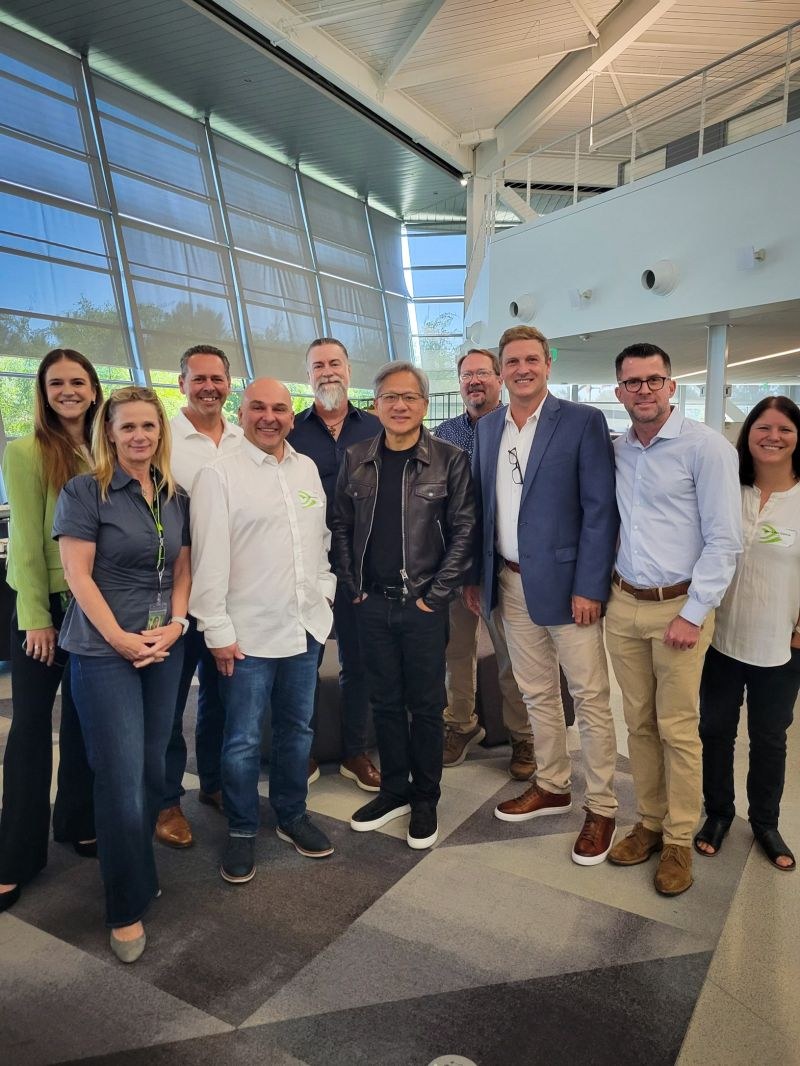
Higher partner tiers and technical qualifications expanded the work SoftServe could compete for and the support it could secure. Examples of the recognition earned along the way include Google Cloud’s 2020 Global Specialization Partner of the Year award for Machine Learning, announced in 2021, and NVIDIA’s 2024 EMEA Consulting Partner of the Year award. Microsoft’s recognition at Inspire 2022 provided another public endorsement of that progress.
The qualifications established credibility. A strong performance scorecard gave executive engagement substance. I used business reviews and leadership interlocks to connect results with the next commitments: joint priorities, seller attention, technical capacity, and funding. The conversation could move from what SoftServe hoped to do to what we had demonstrated and were ready to take on.
I aligned alliance leaders, account teams, technical practices, Marketing, and Finance around those commitments. Shared account preparation, clear ownership, and regular reviews gave teams a practical basis for execution and gave me a way to resolve dependencies and hold the effort accountable.
I led the commercial effort to turn successful delivery into offers that partner sellers could readily explain: a recognizable customer problem, a differentiated capability, and a practical way to begin. Each engagement could strengthen the next pursuit, giving SoftServe’s engineering depth a wider commercial reach.
Adapt the organization as the business grows
As the portfolio developed, I concentrated dedicated leadership and field coverage where the opportunity justified the investment. Other relationships could draw on shared operations and technical expertise until they warranted more resources.
Bringing field resources closer to business units improved account proximity, while increasing the need for coordination across regions. I used shared plans and regular reviews to keep local execution connected to global partner priorities and to clarify accountability as the organization changed.
Performance also exposed where the model needed attention. When Americas and Verticals bookings declined in 2022, I took personal accountability for the partner business results and examined qualification, conversion, coverage, and follow-through within that team. The headline firm-wide pipeline could not substitute for a clear view of regional and vertical performance. Leading the function meant being willing to pivot and adapt the organization I had built.
Bring greater focus to Microsoft
Microsoft shows how I brought these elements together in a more focused business unit as the partnership matured. The partnership advanced from its first Gold competency in 2019 to eleven by 2021, alongside access to customer investment funding. Advanced specializations, managed-partner status, and eligibility for Microsoft professional-services subcontracting followed. That progression qualified SoftServe for a broader range of work and deeper engagement with Microsoft’s field.
At Microsoft Inspire 2022, Microsoft’s U.S. leadership highlighted more than 250% growth in SoftServe’s already multimillion-dollar Azure business, alongside technical investment and improving customer satisfaction. It was visible recognition of the capability and performance the teams had built. Watch the 80-second Microsoft recognition clip.
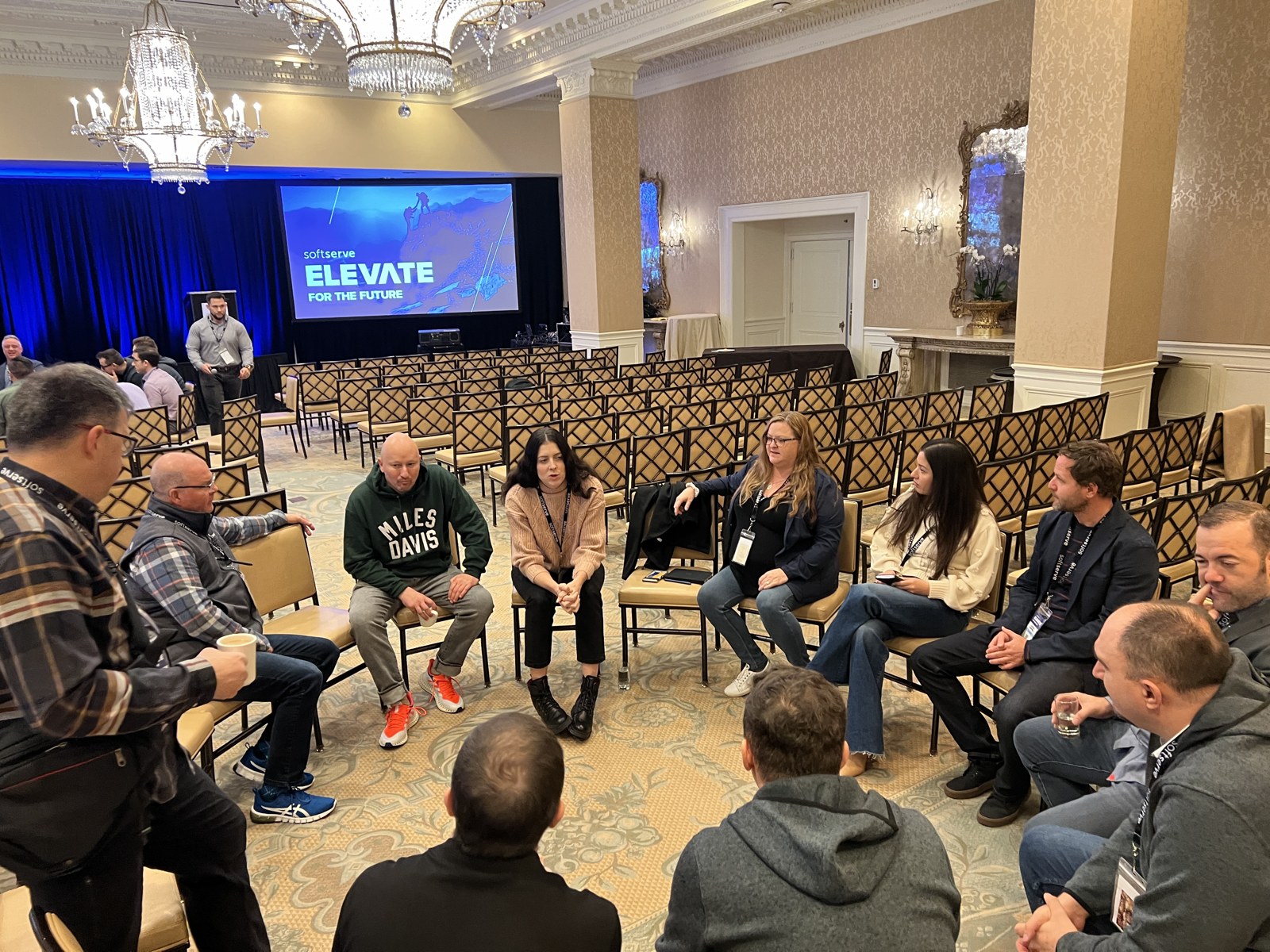
In 2024, I led a virtual partner business unit pilot, bringing alliance development, field partnering, and Partner Operations together with dedicated Marketing and technical-practice leads. I organized direct reports and committed matrix resources around a shared partner plan, giving the business clearer accountability and the capacity to turn its growing standing into customer work.
The scorecard was an important part of that effort. Microsoft’s North America (US) dashboard reported $15.74 million in FY24 year-to-date Azure consumed revenue and 111% year-over-year growth. This measured Microsoft platform usage associated with SoftServe’s work, separately from SoftServe’s services revenue.
I secured leadership backing and led the effort with Partner Operations and delivery teams to capture and register that contribution, making existing work visible to Microsoft. A stronger account of our performance supported partner engagement; new business depended on what we did with it in the field.
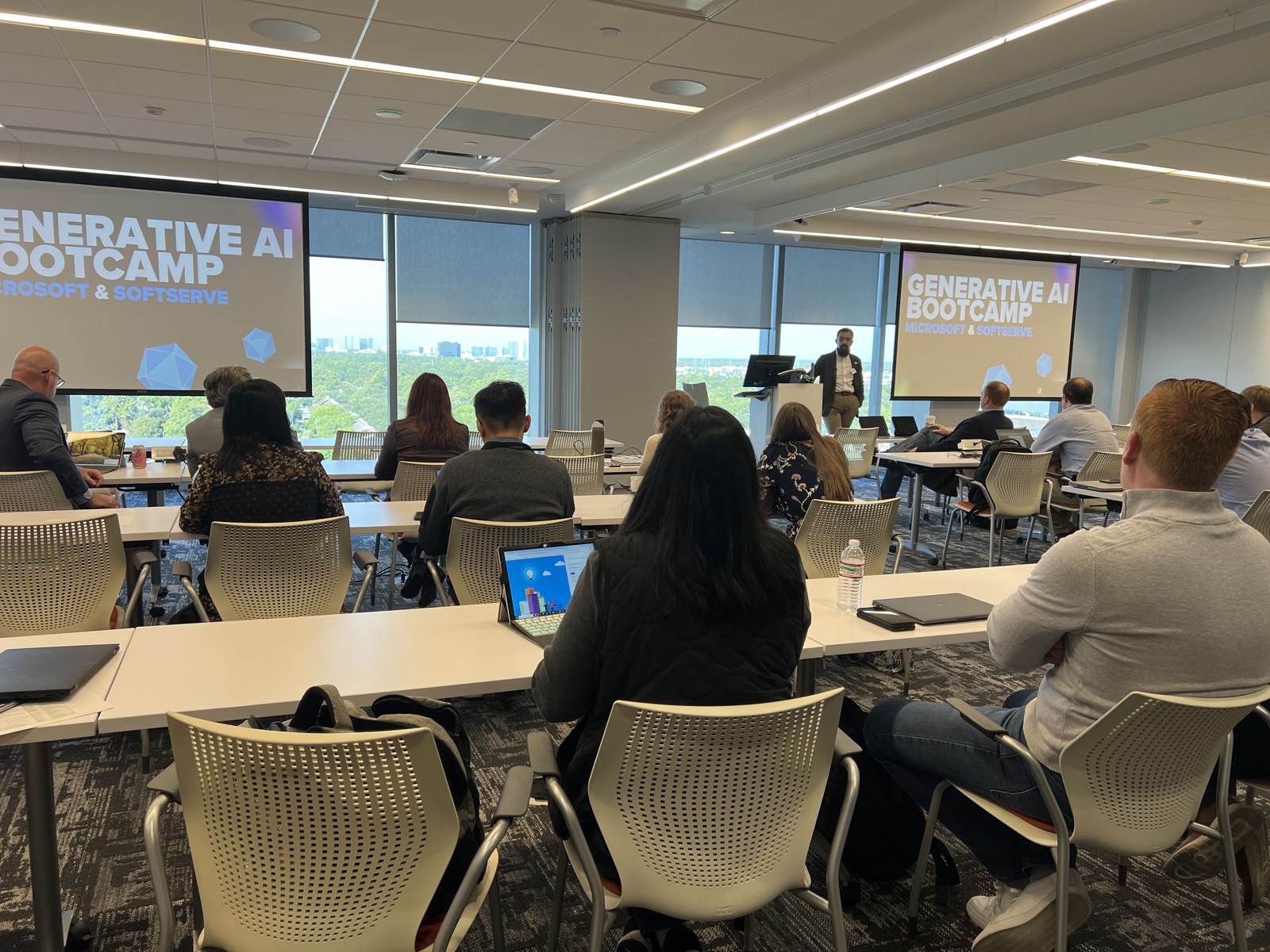
I focused the initial field effort on energy and industrials, aligning differentiated offers in digital twins, simulated environments, physical AI, and robotics with Microsoft’s sales priorities. I brought Microsoft, NVIDIA, and SoftServe engineering teams together around assessments, joint pursuits, and customer engagement to establish the first wave of our strategic joint go-to-market.
TurbineIQ, an equipment-maintenance concept built on Microsoft Power Platform by SoftServe’s industry and platform teams, formed a second wave of the effort, aligning us with specialized overlay sales teams. I shaped its commercial proposition by recommending differentiated Copilot positioning designed to deliver business value for energy and oil-and-gas customers and create a licensing opportunity for Microsoft. I then took that proposition to our energy sellers. Three customers expressed interest in refining it, and one proof of concept was active.
Carry the approach forward
I built leadership capacity alongside the business, hiring and developing global leaders. I designed the organization, role architecture, compensation and incentives, and interview process around the capabilities and team attributes we needed. I set direction, secured commitments, and gave leaders the context and authority to own execution, with clear accountability for results. Global alliance owners led partner plans, while regional and account teams carried them into the field.
In my final full calendar year at SoftServe, 2024, partner-sourced and partner-influenced activity reached 37% of company revenue. The mature function’s broader partner-attributed revenue reached 12×+ its annual partnerships budget.
I now see alliances as corporate development: assembling the capabilities, market access, and commitments a company needs to grow, then putting them to work at the level of customers and deals.
I carried that approach into Encora, leading the repositioning of partnerships within a broader company restructuring and rebrand. Working with executive leadership, I aligned partner strategy with growth priorities and preparation for a private-equity exit: where to compete, which capabilities to build, and how to turn those choices into enterprise value.